
Reading has positive side effects on our working lives

Reading has declined in the age of screens. Declining literacy is also evident in the workplace, where it has many negative effects. We are launching a campaign to defend literacy and highlight its benefits.
In an increasingly fast-paced and fragmented communications and entertainment environment, literacy and general concentration are declining. There is a wealth of research data and everyday observations on this issue. Declining literacy is also evident in working life, where it has many negative effects.
Reading improves concentration, the ability to grasp broad concepts, and abstract thinking. All of these are needed in working life and in society at large. That is why we want to actively highlight the positive side effects of reading in working life.
Our member survey confirmed our assumption
In the fall, we asked our members about the effects of reading. Based on the responses of over 3 000 members, reading is widely perceived as a factor that strengthens thinking, language skills, and general knowledge. The majority of respondents felt that their vocabulary, comprehension, and concentration had improved as a result of reading.
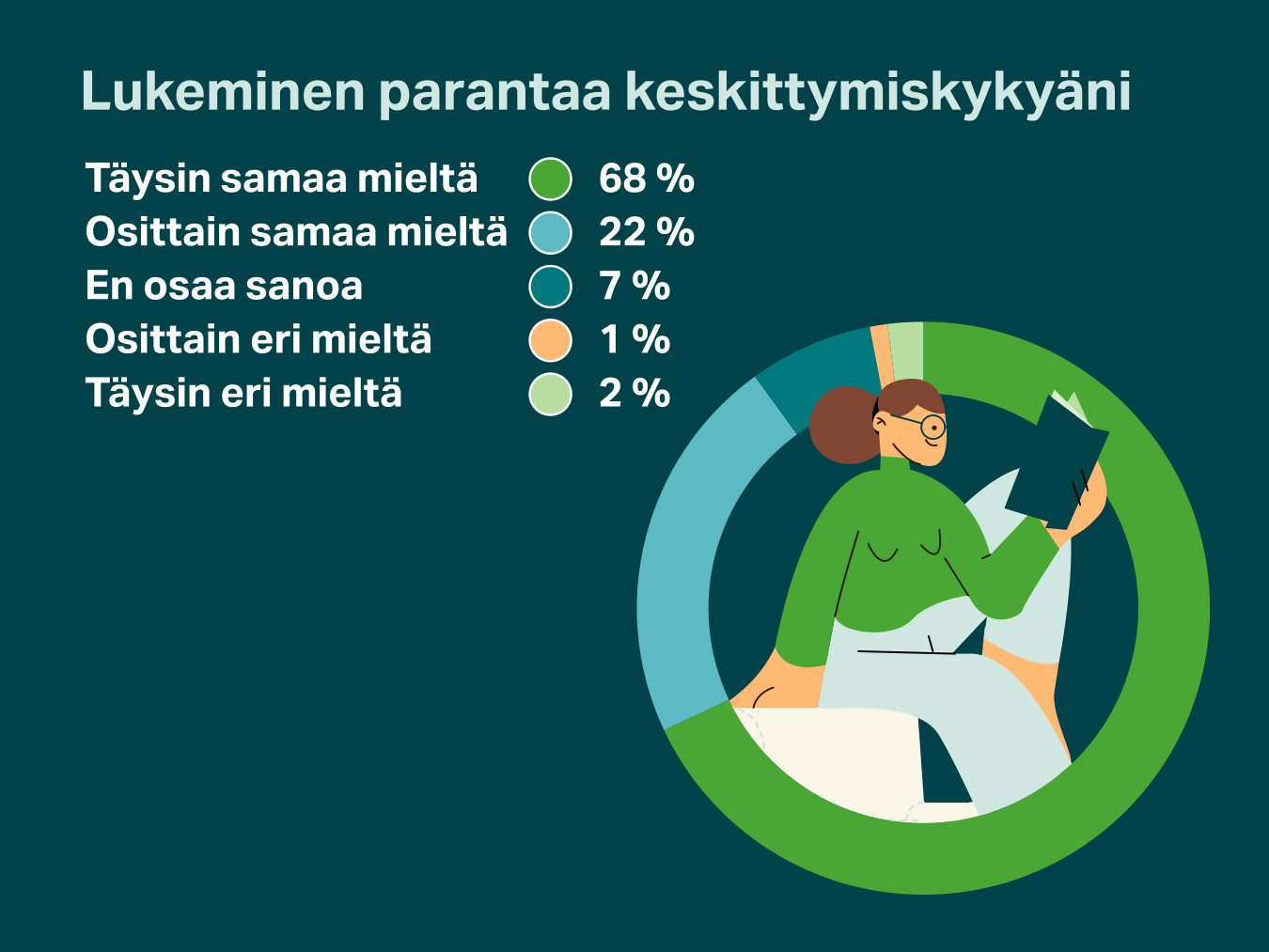
According to the survey, reading also significantly supports well-being. It is perceived as a stress-reducing and restorative factor that helps people cope with everyday life and work. For many, reading offers a way to calm down, disconnect from stress, and improve sleep quality, regardless of whether it is a printed book or an audiobook.
You will do better in working life if you are a good reader
The benefits of reading in working life are mainly recognized as indirect but significant. The results suggest that reading affects your career primarily through thinking, understanding, and expression, which can show up in the long run as better work results and career development. Empathy, creativity, and imagination are particularly necessary skills in this day and age, when artificial intelligence and new technologies are affecting job descriptions. Reading also plays a significant role in strengthening these skills.
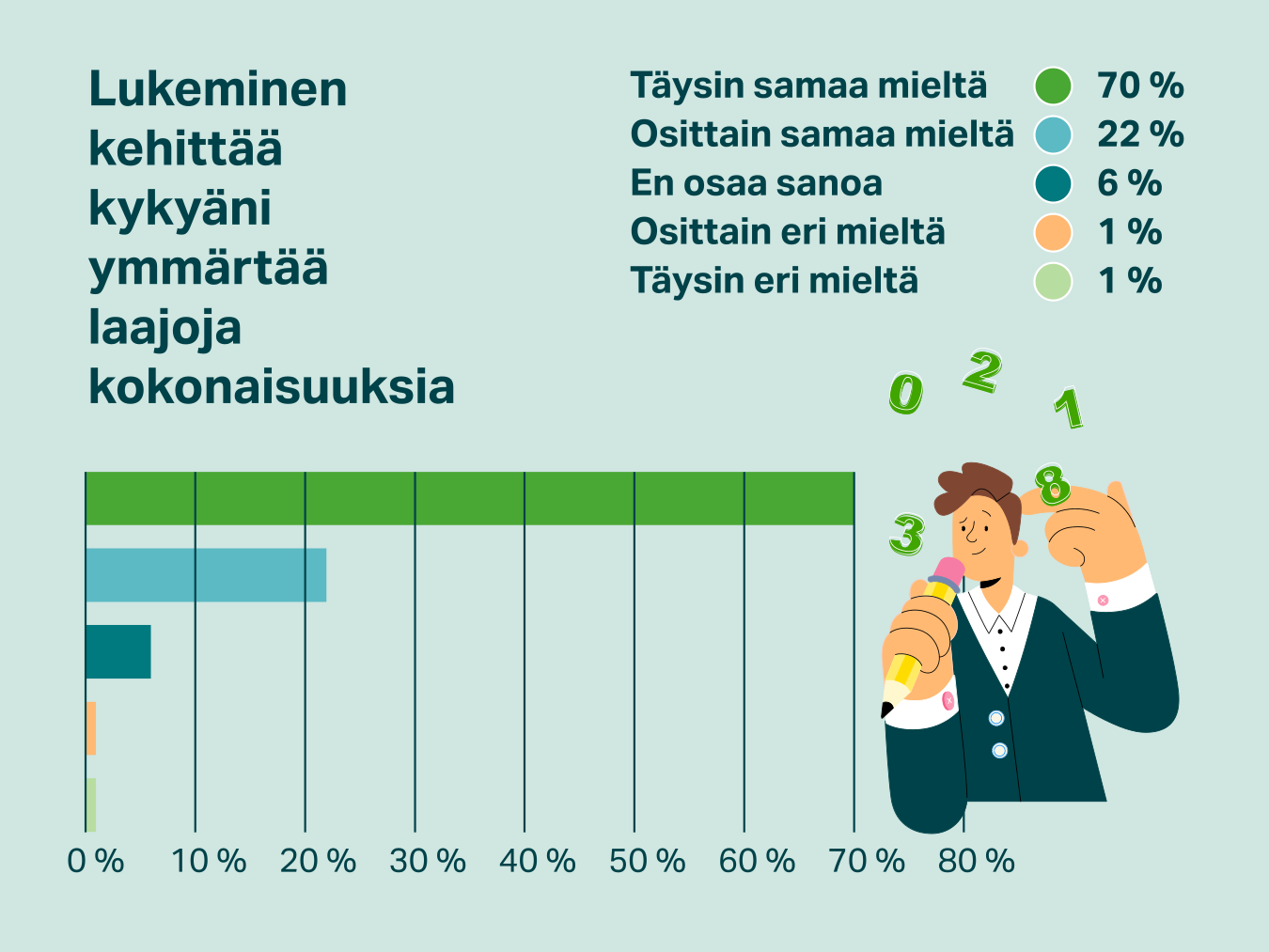
Employers also greatly value reading. According to our employer survey, the majority of employers believe that reading has clear benefits. The responses particularly emphasize cognitive benefits: 91% of the employers who responded believe that reading improves concentration, and as many as 98% of them believe that reading strengthens language skills.
From campaign to long-term communication theme
It is particularly important to focus on literacy right now. The forms of reading, leisure activities, the fragmented media environment, and new technologies are shaping our reading habits. Smartphones and social media, which provide quick and addictive rewards, weaken our ability to concentrate on long-term reading. Although audiobooks and e-books have made it easier to access literature in everyday life, reading has nevertheless declined in all age groups and literacy skills are rapidly deteriorating.
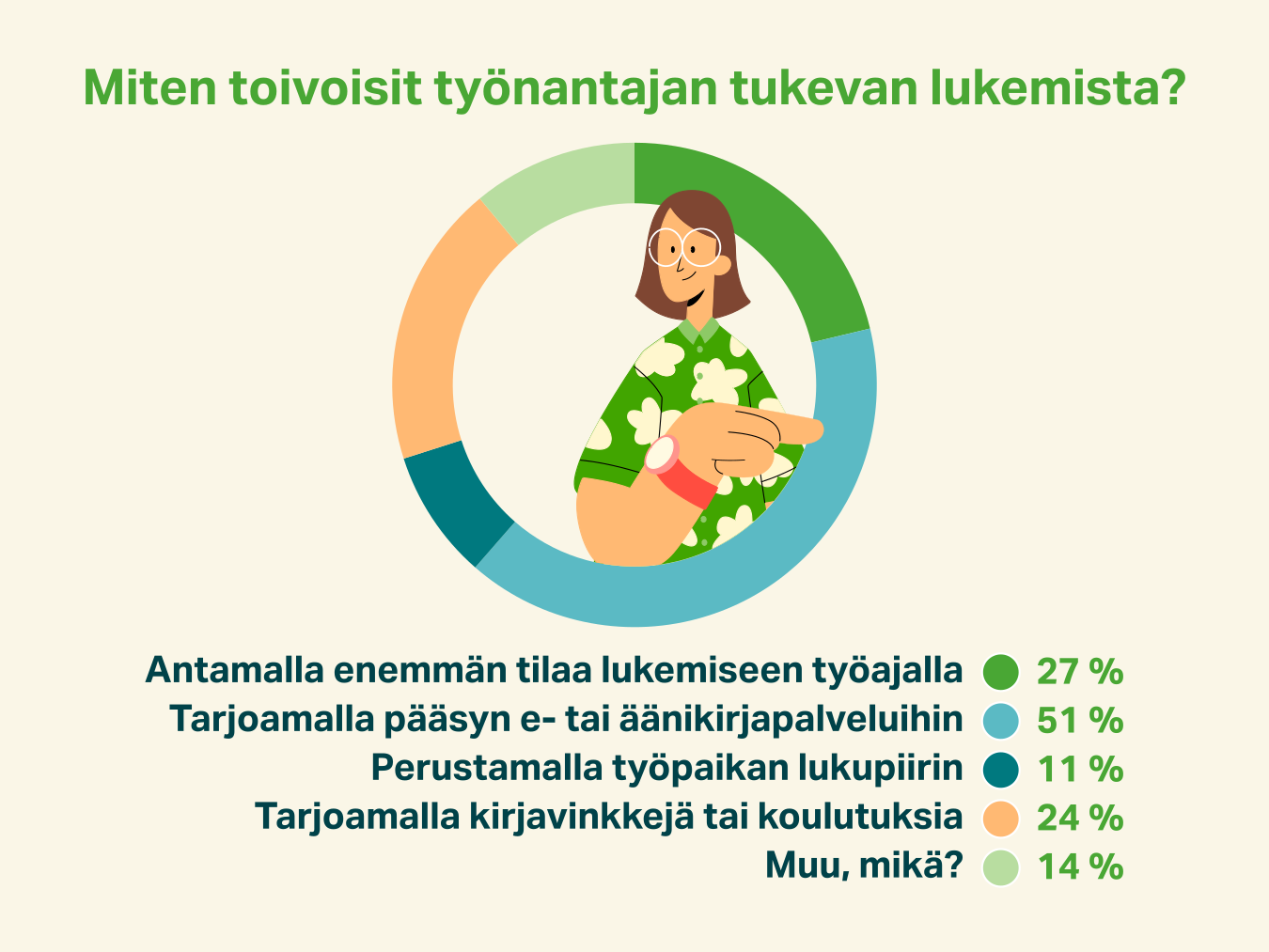
That is why we are also launching a social campaign called Side Effects, which aims to highlight the direct and indirect benefits of reading, particularly from the perspective of working life. This is not a short-term marketing campaign, but rather a theme that we will be promoting extensively throughout 2026, both externally and internally. Join us in talking about the benefits of reading and the importance of literacy in working life!
Getting started with reading can seem like a big hurdle, but don’t worry! We’ll help you get over it. Even small steps to increase reading can help.