Start with something easy, not something good – How to get started with reading
Blog
Topics
- Competence development
- Personal story
- Studies
- Well-being and leisure
Author: Anna Perho
When I worked on the morning radio show, we would occasionally wonder aloud about people’s willingness to engage in activities that we hosts considered strange.
Without fail, we would receive a message in the editorial mailbox saying: come and try it, and you’ll understand! It’s addictive!
I always smiled a little wryly at those messages—I still don’t really believe that canoe orienteering is my thing—but in fact, I’m just as much of a fanatic: if someone says they don’t read many books, I perk up and say, “Hey, you really should try it.”
Maybe, but how? How do you become a reader if reading has felt like a chore up until now?
Well. When it comes to changing habits, people talk about measurability, trackability, intermediate goals…
However, the most important thing is left unsaid: ease and fun. After all, who would want to do something boring?
What do you most enjoy watching on TV, social media, and streaming services?
You can find clues in the audiovisual world. What do you most enjoy watching on TV, social media, and streaming services? Documentaries, murder mysteries, cooking shows…? What headlines always catch your attention? What could you talk about for hours on end? What makes time fly by?
Take advantage of the librarians. They are top experts who will find just the right reading material for you when you tell them you are interested in raising mini pigs, the biography of your favorite athlete, or murder mysteries solved by a dog or the Queen of England (both can be found on the shelves!).
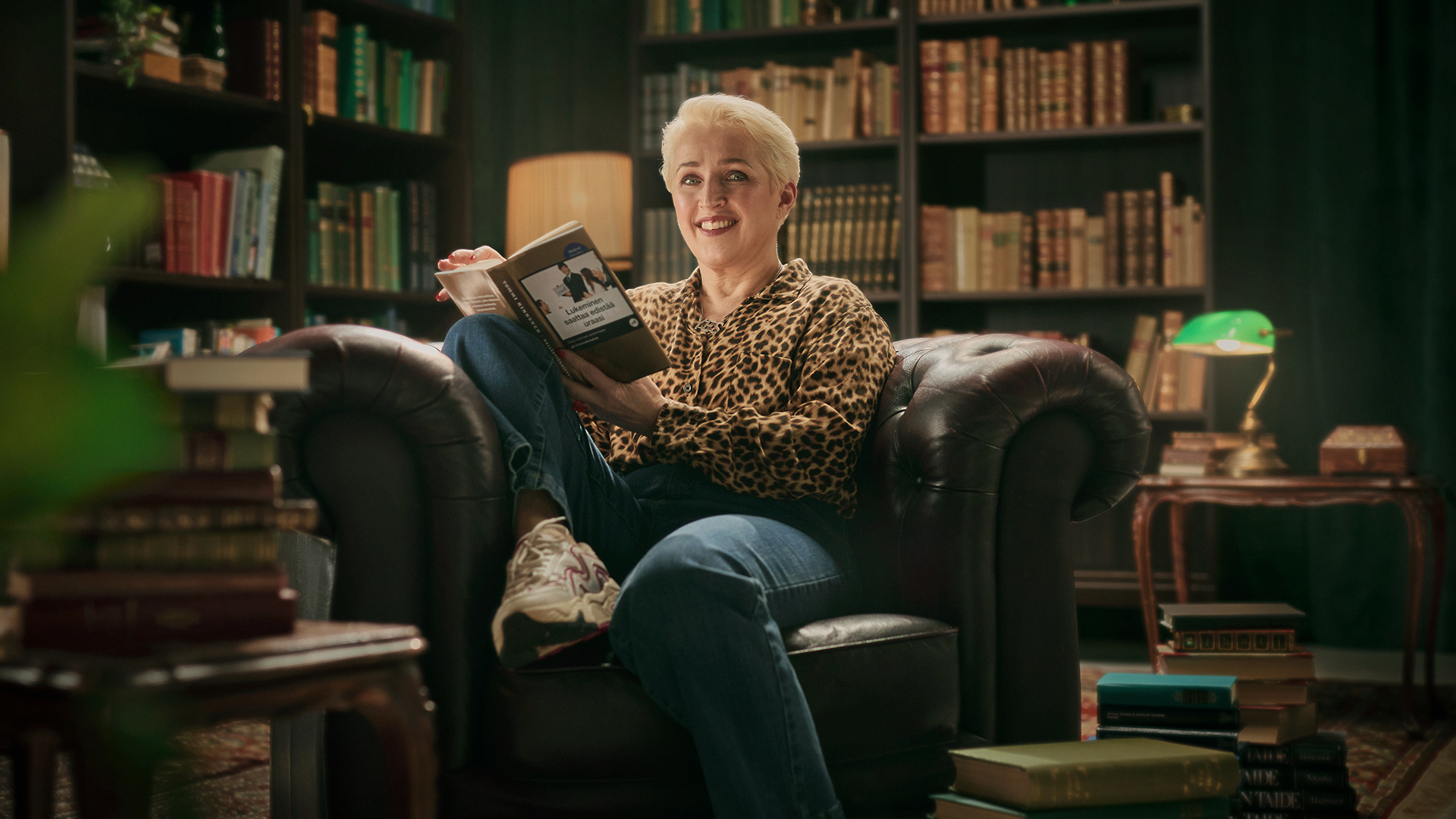
Important: don’t listen to snobs who define what is proper literature and what is trash. So don’t force yourself to read “good” books, but go for something easy. You can live a perfectly good life even if you don’t read Yuval Harari’s Sapiens series.
Books are more fun to read when you can debate their merits with critics and other readers. So Google the book you’re reading, or join an open online book club. There you can argue just like on Facebook! Record and review the books you read in a (free) app called Goodreads, and peek at other people’s bookshelves, just like you would peek at shopping carts at the checkout line.
Set yourself a very modest goal: one page a day, one book in two months, one poem a week… A little is much better than nothing. If you feel like reading more, go ahead, but don’t feel obligated to.
You can also leave a book unfinished (although there are different schools of thought on this: I only do this if I think the book is exceptionally bad. Otherwise, the same book may lie on my bedside table for several years, waiting for me to return to it).
You are currently integrating your brain with the help of a long text.
At first, reading may seem difficult. Your concentration, battered by short videos and a flood of messages, will struggle, and you will have to reread passages several times. And that’s a good thing! You are in the process of healing your brain with long texts. Your brain will recover, you will enjoy yourself, and you may even become more cultured. And soon it will get easier: your brain will get used to the rhythm of reading when you return to the text every day, even if only for a moment.
Could your motive be performative reading, i.e., that when others see you with a book under your arm, they think you are a slightly smarter person? Some people disapprove of this – I myself think that motives don’t matter. Surely people can go to the gym purely for appearance’s sake, and it doesn’t hurt anyone.
However, the most important incentive for reading is your own value system: what is important or valuable to you personally in reading? Who are you when you finish the book?
Anna Perho’s recommendations for beginners
- Katja Kallio: Taskupainos. Author Anna-Leena Härkönen’s biography is an astonishing and entertaining account of the career and life of a beloved writer.
- Aki Linnanahde: Jere. The biography of a bad boy of ice hockey that will interest even those who are not interested in ice hockey (yes, there are such Finns!).
- Inari Fernandéz: Vapaus. A hot romance novel set in cold Lapland, in which a single woman searches for herself and her sexuality.
- Torey Hayden: Tiikerin lapsi. Hayden writes true stories about abused children, but there is always hope and even miracles in her writing: one accepting glance can change the course of a child’s life.
- Jeannette Walsh: Lasilinna. Another true story about a family that has been left outside of society, from which the author struggles to break free.
- Paula Hawkins: Nainen junassa. The book begins darkly, with an alcoholic woman pretending to go to work on the train. On the way, she begins to notice the backyard of a certain house, and…
- Neil Strauss: Törkytehdas. he ultimate rock biography about the glory (hmm) years of the band Mötley Crüe. Everything your mother warned you about, and then some.
Reading has positive side effects. Check out the campaign!
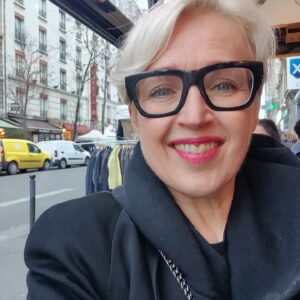
Anna Perho
Journalist, lecturer, and columnist